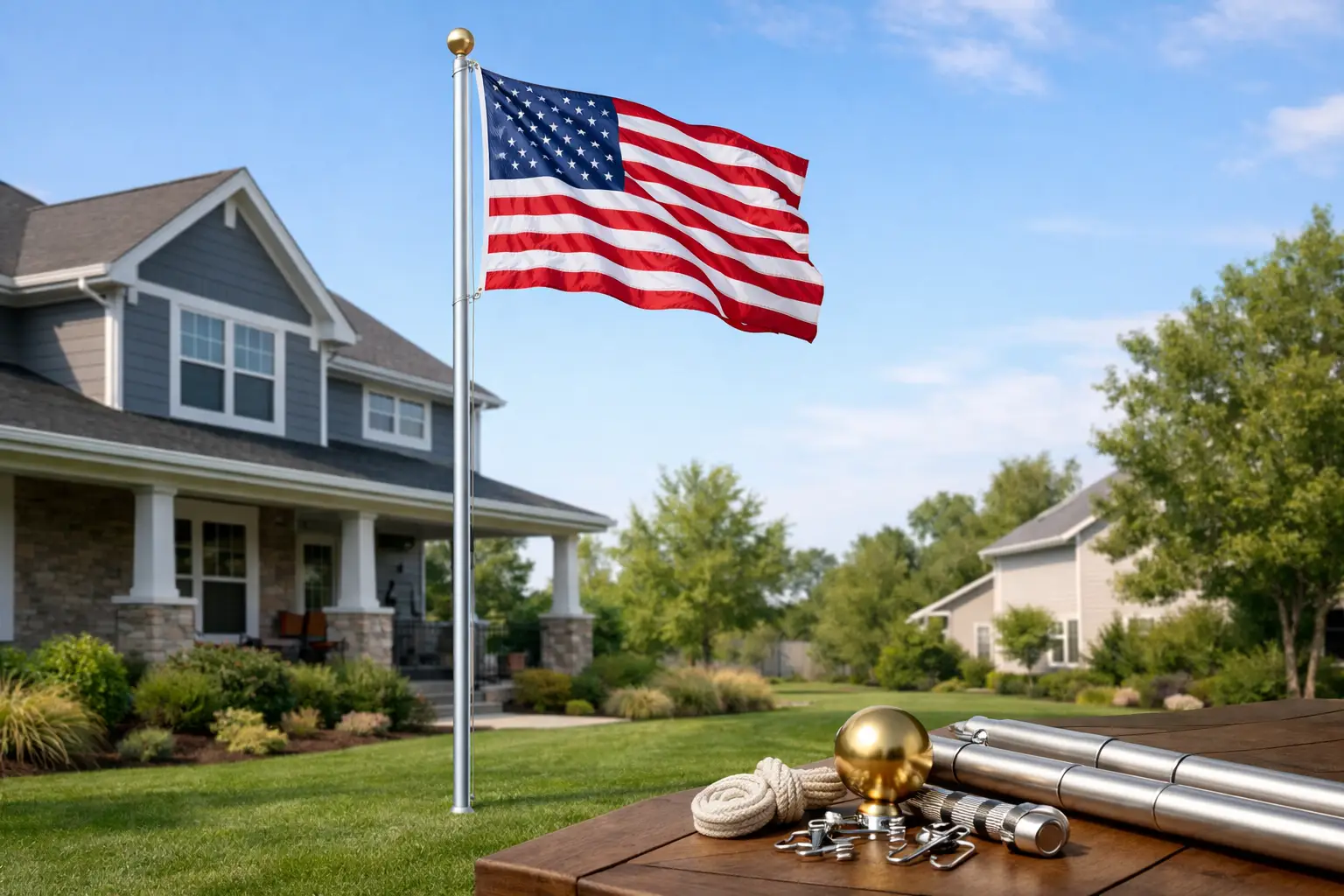
Residential Flagpole Buying Guide
A flagpole can look simple from the street, but homeowners usually find out fast that not all poles are built the same. The right residential flagpole buying guide should help you avoid the common mistakes - picking a pole that looks too small for the house, choosing the wrong material for local weather, or buying a bargain setup that becomes a repair project after one hard season.
If you want a flagpole that looks right, flies proudly, and holds up year after year, start with your property instead of the product page. Your home’s height, your available yard space, your local wind, and how often you plan to raise and lower the flag all matter. A good flagpole is not just about appearance. It is about fit, function, and long-term durability.
What this residential flagpole buying guide starts with
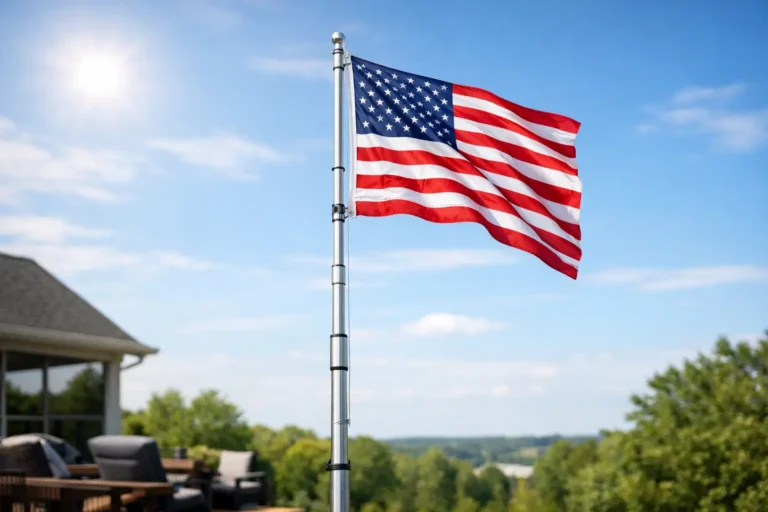
Most first-time buyers ask the same question first: how tall should the pole be? For most homes, a 20-foot pole is the standard choice. It has enough presence to look proper in front of a one-story or two-story home without overwhelming the lot. On larger homes or properties with more open space, a 25-foot pole may be a better fit. Smaller spaces often look better with a 15-foot pole.
There is no perfect universal answer because curb appeal is tied to proportion. A flagpole should complement the home, not compete with it. If the pole is too short, the flag can look lost. If it is too tall, the setup can feel oversized and harder to manage in wind.
A practical way to think about it is this: match the scale of the pole to both the house and the viewing distance from the street. A home set far back on a long driveway often needs more height than the same home on a tighter suburban lot.
Choosing the right flagpole material
Material has a direct effect on lifespan, maintenance, appearance, and cost. For residential use, most buyers compare aluminum, fiberglass, and telescoping designs.
Aluminum flagpoles are a classic choice because they offer strength, a clean finish, and dependable outdoor performance. They are popular for homeowners who want a traditional in-ground pole with a polished, permanent look. Aluminum works well in many climates, but the best fit still depends on wind exposure and the pole design itself.
Fiberglass flagpoles are often chosen in coastal areas and other demanding environments because they resist corrosion well and can perform very reliably in harsh weather. They also have a distinctive look that some homeowners prefer. If your property deals with salt air, frequent storms, or challenging conditions, fiberglass may be worth the investment.
Telescoping flagpoles appeal to homeowners who want easier operation. Instead of a more permanent sectional installation style, a telescoping model lets you extend and lower the pole more conveniently. That matters if you take your flag down regularly, switch flags often, or want simpler access for maintenance. The trade-off is that telescoping poles vary widely in quality, and that is where specialist guidance matters. A low-grade telescoping pole and a premium one are not the same product with different price tags.
Wind matters more than many buyers expect
One of the biggest mistakes in residential flagpole selection is underestimating wind. A pole that works fine in a protected neighborhood may not be the right choice for an open rural property, a hilltop lot, or a coastal location.
This is where a residential flagpole buying guide needs to be honest: higher wind areas usually require heavier-duty construction, smarter hardware choices, and sometimes a different pole style altogether. If your property regularly gets strong gusts, do not shop by height alone. Ask how the pole is engineered, what the wall thickness is, what kind of halyard system it uses, and whether the flag size is appropriate for the pole and local conditions.
The flag matters here too. Even the best pole can be stressed by an oversized or lightweight flag that is not suited to heavy weather. Pairing a durable pole with a heavy-duty American-made flag is often the better long-term decision than replacing torn flags and worn hardware every few months.
Internal halyard or external halyard?
For many homeowners, this choice comes down to appearance, sound, and convenience. An external halyard system uses rope on the outside of the pole. It is a familiar, traditional setup and is often more economical. It also makes raising and lowering the flag straightforward.
An internal halyard system keeps the operating components inside the pole. Homeowners often prefer it for the cleaner appearance and reduced noise. If you have ever heard rope tapping against a pole on a windy night, you already understand the appeal. Internal systems can also offer a more secure setup, though they may cost more upfront.
Neither option is automatically better for every property. If budget is a major factor and you want a classic residential presentation, external halyard may be the right fit. If you want a quieter, cleaner look and are investing in a more premium installation, internal halyard can be the better choice.
Ground set, sectional, or telescoping
Installation style affects both the buying decision and the ownership experience.
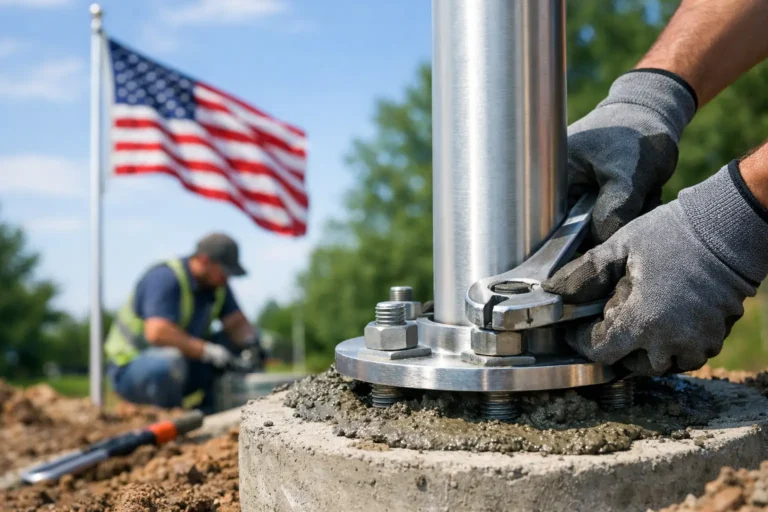
A traditional ground-set pole is a strong option for homeowners who want a permanent, professional appearance. These poles are installed with a ground sleeve or foundation system and tend to deliver the most classic look. They are often the right choice for long-term curb appeal and serious performance.
Sectional poles can be practical and cost-effective, especially for homeowners who want a simpler shipping and assembly format. Quality varies, so it is important to focus on engineering and materials, not just convenience.
Telescoping poles stand out for ease of use. If you want to lower the pole quickly, avoid a more involved rope system, or make installation a bit more approachable, telescoping designs can be very attractive. Still, they are not one-size-fits-all. On some properties, especially those with strong, sustained wind, a heavier-duty traditional setup may be the better investment.
Don’t overlook the accessories
A flagpole system is only as good as its supporting hardware. Homeowners often focus on the pole and forget the pieces that affect day-to-day satisfaction.
A proper solar flagpole light matters if you plan to fly the American flag at night. The right light should provide dependable illumination without turning into another item on your maintenance list. Truck assemblies, finials, cleats, flash collars, and foundation sleeves also make a difference in both appearance and performance.
This is another area where buying from a specialist pays off. A generic seller may list accessories, but that is not the same as helping you match them correctly to your pole, your flag size, and your local weather. Bob's Flagpole Company has built its reputation on that kind of direct guidance, which is why many buyers prefer speaking with a real expert before ordering.
Budget versus value
Every homeowner has a budget, but the lowest upfront price is rarely the best value in flagpoles. When a low-cost pole bends, corrodes, rattles, or needs replacement hardware after a short time, the savings disappear quickly.
A better way to evaluate value is to look at total ownership. How long should the pole last? How well will it handle your weather? Will it be easy to use? Will replacement parts be available? Is it made in the USA? Those questions usually lead buyers toward better products and fewer regrets.
For many customers, the smartest purchase is not the most expensive pole on the page. It is the one that matches the property, the climate, and the owner’s expectations. Sometimes that means a premium telescoping model. Sometimes it means a heavy-duty fiberglass or aluminum pole designed for more demanding exposure.
When to call for expert help
If your property has unusual wind exposure, limited installation space, HOA considerations, or you are deciding between multiple heights and materials, this is the point where direct advice can save you money and frustration. A specialist can help you narrow the options fast because they have seen the real-world results.
That matters more than many buyers realize. Flagpoles are not impulse purchases. They are visible, long-term additions to your property, and they should be selected with the same care you would give to any permanent exterior improvement.
The best flagpole for your home is the one that looks right, performs in your conditions, and gives you confidence every time you raise the flag. If you are not completely sure which direction to go, call Bob directly and get advice from someone who knows flagpoles, not just online inventory.