Choosing a Nautical Flagpole for Yacht Club
A yacht club flagpole does more than hold a burgee. It sets the tone at the entrance, marks the clubhouse from the water, and signals that the property is cared for by people who take tradition seriously. When you are selecting a nautical flagpole for yacht club use, the wrong choice shows up fast - in excessive halyard noise, poor flag visibility, hard maintenance, or a pole that simply looks undersized against the building and marina.
That is why this is not a one-size-fits-all purchase. A proper nautical setup has to match the club’s waterfront exposure, the number of flags you plan to fly, and the impression you want members and guests to have when they pull in.
What makes a nautical flagpole different
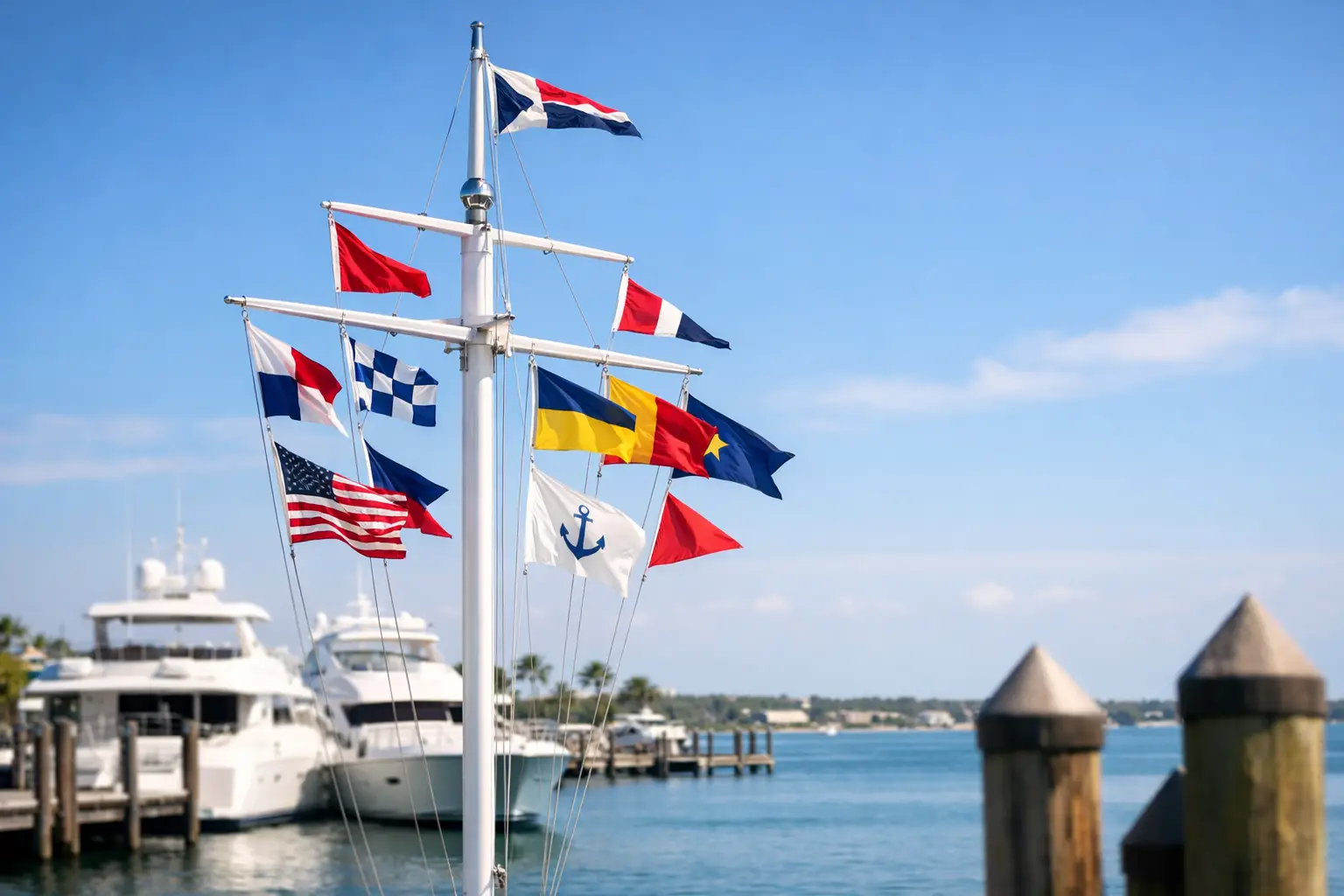
A nautical flagpole for yacht club properties is built around multi-flag display. Unlike a standard single-halyard pole, a nautical model is designed to fly a primary flag and additional signal flags, burgees, or courtesy flags using spreaders and marine-style rigging. That gives the pole a more formal profile and makes it a natural fit for marinas, sailing clubs, waterfront restaurants, and harbor facilities.
The visual effect matters, but so does function. Yacht clubs often need a display that can handle regular flag changes, ceremonial use, race-day signaling, and windy shoreline conditions. A basic pole may technically hold a flag, but it usually will not deliver the look or working setup that a club expects.
There is also a difference between a decorative coastal look and a true commercial-grade nautical installation. For a private residence, a lighter-duty system may be enough. For a yacht club with member traffic, public visibility, and year-round exposure, durability should carry more weight than appearance alone.
How to choose a nautical flagpole for yacht club grounds
Start with location. A pole installed near open water takes more punishment than one set back behind buildings or tree cover. Salt air, steady breeze, and storm exposure all affect what material and hardware package makes sense. Clubs on protected inland lakes still need a sturdy setup, but an oceanfront property usually needs heavier-duty construction and closer attention to corrosion resistance.
Height comes next, and this is where many buyers either overspend or undersize. A pole should fit the scale of the clubhouse, entry drive, docks, or lawn where it will be installed. If the flagpole is too short, it disappears against the building. If it is too tall for the space, it can feel out of proportion and create more wind load than needed. For many yacht clubs, the right answer depends on viewing distance. A pole seen from the water often benefits from extra height, while a pole in a courtyard or near a modest clubhouse may look better at a more restrained size.
Then consider how many flags you plan to fly on a normal day. Some clubs want a clean presentation with an American flag and club burgee. Others want a fuller nautical display with signal flags, guest flags, event pennants, or sponsor banners during regattas. The more complex the display, the more important proper spreader spacing, halyard layout, and hardware quality become.
Material matters on the waterfront
For yacht club applications, aluminum and fiberglass are the most common choices, but they are not identical in performance or maintenance.
Aluminum is a strong option for clubs that want a classic commercial appearance and dependable long-term value. A quality aluminum nautical pole can provide excellent strength, clean lines, and solid performance when properly matched to the site. It is often the go-to choice for organizations that want a traditional look with professional-grade hardware.
Fiberglass can make sense in certain coastal environments because of its corrosion resistance and lower maintenance profile. It also offers a slightly different appearance that some properties prefer. The trade-off is that not every fiberglass option is designed for every nautical rigging setup, so buyers need to be sure the pole is intended for the flag load and configuration they have in mind.
What matters most is not choosing a material by reputation alone. It is choosing one that matches your wind conditions, expected use, and maintenance expectations. A calm inland club and a wind-exposed Atlantic shoreline club may arrive at very different answers.
Nautical flagpole for yacht club wind exposure
Wind is the issue that separates a smart purchase from an expensive mistake. Waterfront properties usually face stronger and more consistent wind than inland commercial sites, and flags themselves create added resistance. A nautical flagpole for yacht club use has to account for both the pole and the flag package it will carry.
That means you cannot look only at pole height. You also need to consider flag size, number of halyards, spreaders, and the way the site channels wind between buildings or across open water. Even a well-made pole can be put in a bad position if it is specified without real wind-load planning.
This is one reason specialist guidance matters. Big-box sellers may list height and finish, but that does not tell you whether the pole is right for a marina entrance with strong crosswinds or a sheltered lawn behind the clubhouse. A proper recommendation should reflect actual site conditions, not just catalog dimensions.
Hardware, rigging, and the details clubs notice later
Most problems with flagpoles do not begin with the shaft itself. They begin with the hardware. On a yacht club property, that can mean halyards that slap loudly in the wind, pulleys that wear out early, cleats placed awkwardly for staff use, or rigging that becomes a headache every time flags need to be changed.
For that reason, clubs should pay close attention to marine-style rigging components, spreader construction, and access for routine operation. If flags are being raised for ceremonies, races, holidays, and member events, ease of use matters. The right setup saves time and avoids frustration for whoever is handling the flags each day.
Security can matter too. Some club locations are fully staffed and monitored. Others have public-facing grounds with evening foot traffic. In those cases, the decision between external and more secure hardware deserves a closer look.
Installation planning is part of the buying decision
A flagpole is only as good as the installation behind it. For yacht clubs, installation conditions can be tricky. You may be dealing with sandy soils, waterfront fill, irrigation lines, limited equipment access, or visibility requirements around drives and sidewalks.
Foundation design, clearance around spreaders, and local code considerations should all be addressed before the order is placed. This is especially true if the pole will become a focal point at the entrance or be located near power lines, parking areas, or pedestrian traffic.
It also helps to think through maintenance access at the start. Can staff reach the cleat area comfortably? Is there enough open space for safe flag changes? Will landscaping interfere with operation over time? These questions sound small until the pole is in the ground.
Matching the pole to the club’s image
A yacht club is part facility, part tradition. The flagpole should reflect both. Some clubs want a crisp, formal presentation that complements a historic clubhouse. Others want a bold waterfront statement visible from slips and channels. Neither approach is wrong, but the pole should match the property rather than fight it.
A polished-looking nautical display can elevate the whole site. It gives members a stronger sense of place and tells visitors they have arrived somewhere established and well run. That is especially true when the scale, finish, and flag arrangement are thought through instead of chosen as an afterthought.
If the club is replacing an older pole, this is a good time to fix what the previous installation got wrong. Often that means adding height, improving hardware, or selecting a pole rated for conditions the old one never handled well.
When expert advice saves money
A lot of buyers assume the safest move is to buy bigger. Sometimes that is correct. Sometimes it just means paying more for height or hardware the site does not need. On the other hand, trying to save money upfront by choosing a lighter pole can lead to harder operation, more maintenance, and a shorter service life.
That is where a flagpole specialist earns his keep. A real recommendation should consider your location, wind exposure, number of flags, and how the club uses the property day to day. That is how you end up with a pole that looks right, performs well, and avoids preventable problems.
At Bob's Flagpole Company LLC, that hands-on guidance is part of the value. When a buyer calls with questions about sizing, nautical hardware, or waterfront conditions, the goal is not to push a generic option. It is to help match the pole to the site.
A yacht club flagpole should feel like it belongs there from the first day it goes up. If you choose with the water, wind, and daily use in mind, the result is more than a display piece. It becomes part of the club’s identity for years to come.