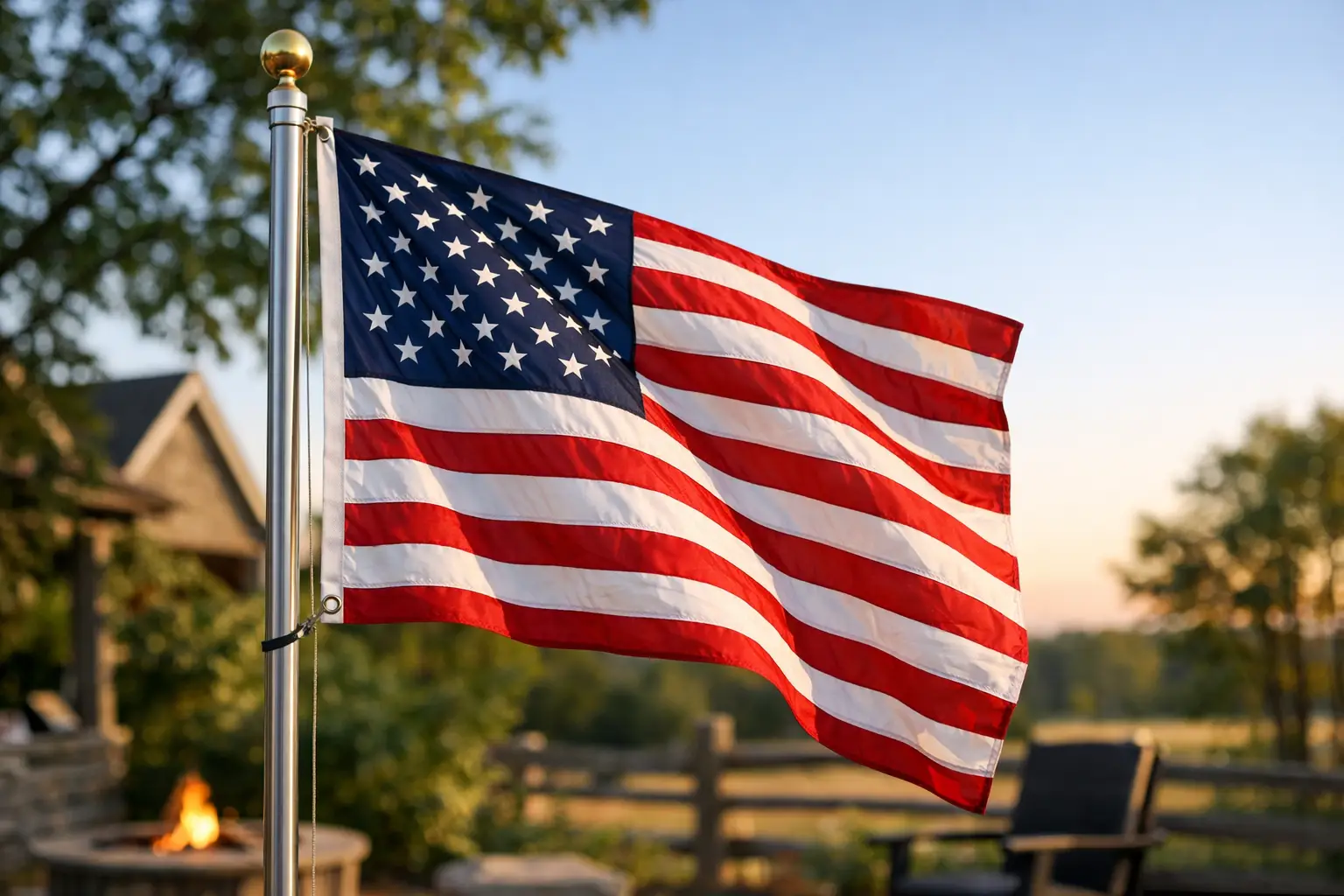
Heavy Duty American Flag Outdoor Buying Guide
A flag that shreds after one storm is more than a nuisance. It is a waste of money, a poor presentation for your home or property, and usually a sign that the wrong flag was chosen for the conditions. If you need a heavy duty American flag outdoor display can rely on, the real question is not just size or price. It is how the flag is made, what kind of wind it will face, and whether the materials are built for daily exposure.
For homeowners, schools, businesses, and municipalities, that choice matters. A flag flying every day in full sun and regular wind has a much harder job than one used occasionally for holidays. The better the flag matches the site, the longer it will last and the better it will look.
What makes a heavy duty American flag outdoor ready?
The words “heavy duty” get used loosely, so it helps to know what actually separates a stronger outdoor flag from a lightweight decorative one. In most cases, the difference comes down to fabric weight, reinforced construction, and how the fly end is finished.
Nylon is a popular outdoor choice because it flies well in lighter breezes, dries quickly after rain, and shows color nicely. Polyester is often chosen for tougher conditions because it is generally heavier and more abrasion-resistant. If your flag will be flying in open wind, along the coast, on a commercial lot, or in a wide rural setting, polyester is often worth a close look.
Construction matters just as much as fabric. Strong outdoor flags should have embroidered stars or well-applied stars, solid stitching on the stripes, reinforced headers, and brass grommets that hold up over time. The fly end deserves special attention because that trailing edge takes the most punishment. Extra rows of stitching there can add meaningful life, especially in windy locations.
The biggest mistake buyers make
Many people assume the toughest flag is always the right one. Sometimes it is. Sometimes it is not.
A very heavy flag on a shorter residential pole may not fly as gracefully in low wind. If appearance matters as much as toughness, a premium nylon flag can be a better fit for a neighborhood home with moderate exposure. On the other hand, if your property gets steady gusts and you are replacing torn flags too often, moving up to a heavier polyester option usually makes sense.
This is where site conditions matter more than marketing terms. A flag on a protected suburban lot lives a different life than one on a school campus, dealership, municipal building, or waterfront property.
How wind changes the right choice
Moderate wind vs. high wind
If your area gets normal daily breezes with occasional storms, you may not need the heaviest fabric available. A quality outdoor nylon flag often gives you a very good balance of appearance, durability, and movement.
If your site sees frequent hard wind, the flag gets whipped, snapped, and stressed at the fly end all day long. That is where heavy-duty polyester earns its keep. It is built for more punishment, though it may feel stiffer and heavier when compared with nylon.
Open properties wear flags faster
Flags mounted on tall poles in open areas usually wear faster than flags closer to a building or tree line. Schools, farms, churches, municipal grounds, and commercial sites often need a stronger flag simply because there is less shelter from the wind.
The same is true near coastal areas. Salt air, stronger gusts, and constant exposure can shorten the life of a standard flag. A heavier construction is often the smarter investment there.
Size still matters with a heavy duty American flag outdoor setup
A durable flag still has to look right on the pole. Too small, and it gets lost. Too large, and it can create excess strain on the pole, hardware, and attachment points.
A common rule is that the flag length should be about one-quarter to one-third the height of the pole, depending on the setting and appearance you want. Residential displays often lean toward a more balanced look, while commercial and municipal installations may size up for stronger visual impact.
But there is a trade-off. A larger flag catches more wind. If you are choosing a heavy-duty outdoor flag for a windy property, it may be wise to confirm that both the pole and the hardware are appropriate for that size. The strongest flag in the world will still wear prematurely if it is oversized for the site and constantly overloaded.
The fabric decision: nylon or polyester?
Nylon for everyday outdoor display
Nylon remains a trusted choice for many homeowners because it is lightweight, dries quickly, and flies nicely even when the breeze is light. It also tends to show bright, rich color. For many residential installations, nylon gives excellent performance without looking heavy or stiff.
Polyester for demanding conditions
Polyester is typically the better answer when durability is the top priority. It is commonly chosen for larger flags, commercial properties, and high-wind locations where lighter materials wear out too quickly. It can cost more up front, but it often pays off where weather exposure is severe.
Neither material is automatically better in every case. It depends on whether your property needs a flag that moves beautifully in lighter air, or one that can take more abuse day after day.
Details that tell you a flag is built to last
When comparing flags, look past the product photo and focus on the build. The strongest outdoor American flags usually have a few things in common.
The header should feel substantial, not flimsy. Brass grommets are preferred for long-term outdoor use. The stitching should be clean and consistent, especially on the fly end. Lock stitching and multiple rows of reinforcement can make a real difference once the wind starts working on the flag. If the stars are embroidered and the stripes are sewn rather than printed on a thin economy material, that is usually a sign you are looking at a more premium product.
American-made flags also matter to many buyers, and for good reason. Beyond patriotism, they are often held to stronger quality expectations and built for serious outdoor use rather than occasional decorative display.
When replacing the flag is the right call
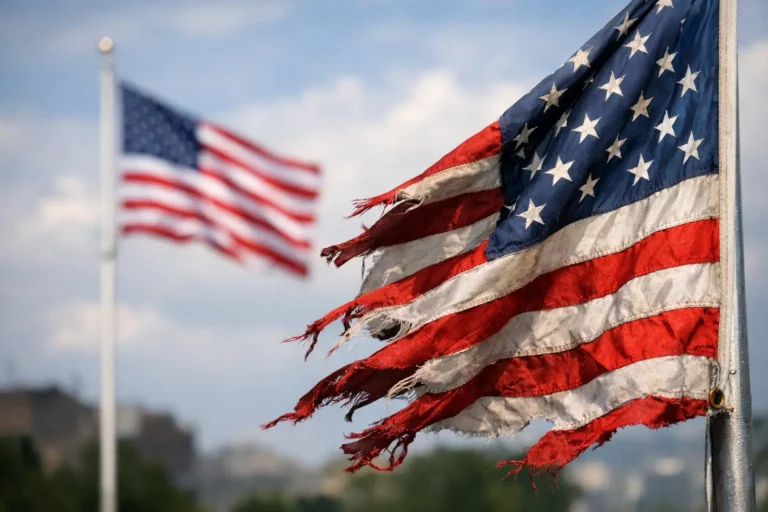
Even a premium outdoor flag is not permanent. Sun fades color. Wind frays edges. Rain, ice, and airborne grit all take a toll.
If the fly end is starting to fray, some owners repair it early and get more life out of the flag. That can be a practical move if the rest of the flag is still in good shape. But once fading is significant or the material is breaking down across multiple areas, replacement is usually the better choice.
A worn flag sends the wrong message, whether it is flying at a home, storefront, veterans memorial, school, or public building. A strong display starts with a flag that still looks sharp and respectful.
Choosing the right supplier matters too
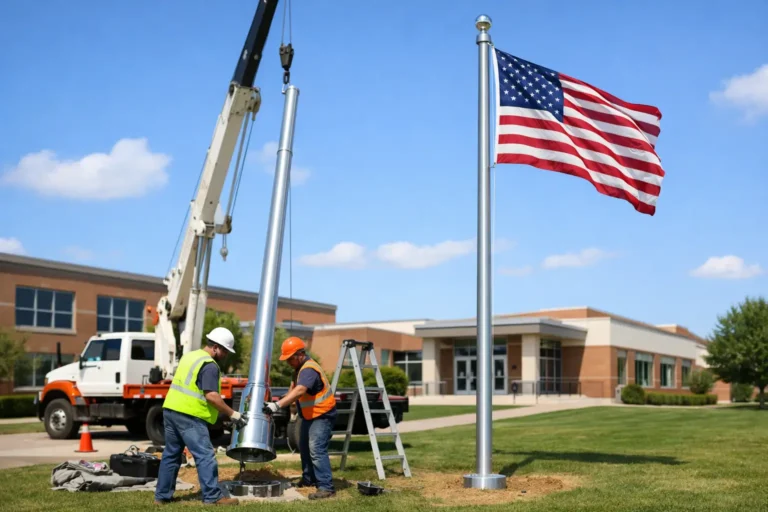
A heavy-duty flag is not a throwaway purchase, especially if you are flying it every day. That is why it helps to buy from a flagpole specialist instead of treating the flag like a generic seasonal item.
A specialist can help you match the flag to your pole height, hardware, and weather conditions. That guidance saves money in the long run because you are less likely to underbuy and replace too often, or overbuy and end up with a flag that does not suit the application. For customers who want straightforward advice, this is where a company like Bob's Flagpole Company stands apart. The value is not just in the product. It is in getting the right recommendation the first time.
The best heavy duty American flag outdoor choice depends on your site
If your property has moderate wind and you want a flag that presents beautifully every day, premium nylon is often the right answer. If your location is exposed, gusty, coastal, or commercial, a heavier polyester flag may be the smarter long-term pick. In either case, reinforced stitching, strong headers, quality grommets, and American-made construction are what separate a dependable outdoor flag from one that fails too soon.
A good flag should do two jobs at once. It should honor what it represents, and it should hold up to the weather where you live. If you are not sure which one fits your pole or your conditions, the best next step is simple: get advice from someone who works with flags and flagpoles every day, so your next flag is one you can raise with confidence.