When Should a Flag Be Replaced?
A faded American flag over a front porch or commercial building sends a message - and not the one most people intend. A flag is meant to be displayed with pride. When it becomes torn, badly frayed, discolored, or misshapen, replacing it is not just about appearance. It is about showing proper respect.
If you have ever asked when should a flag be replaced, the honest answer is simple: replace it when normal wear turns into visible damage or the flag no longer presents itself in a dignified way. The exact timing depends on the flag’s material, your local weather, how often it flies, and whether it is exposed to strong sun or high winds.
When should a flag be replaced on display?
There is no single calendar date that applies to every flag. A heavy-duty nylon American flag flown only on fair-weather holidays may last a long time. A polyester flag on a tall commercial pole in a windy coastal location may still wear faster than expected because of constant strain. What matters most is condition, not just age.
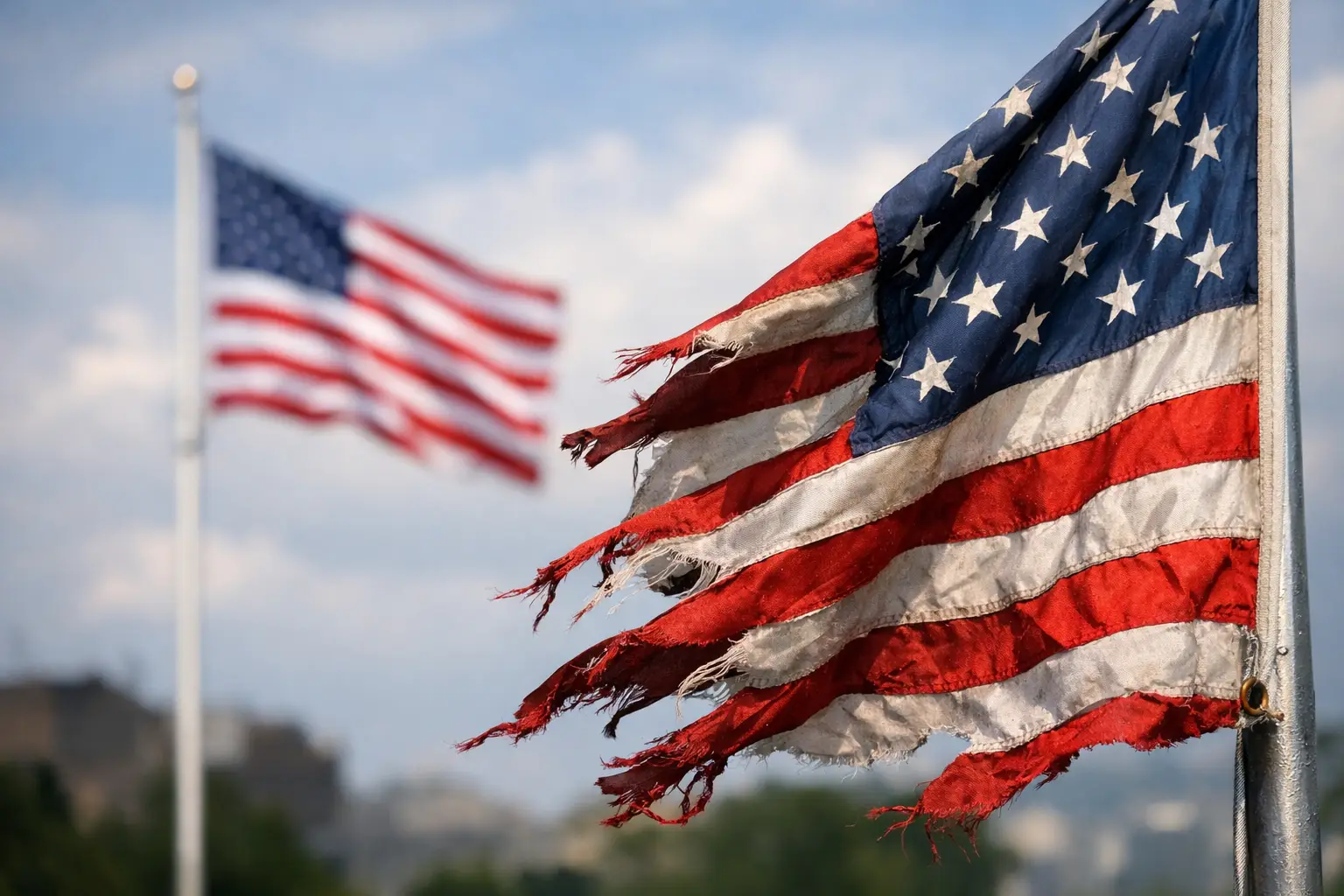
In most cases, the first signs show up at the fly end, which is the part farthest from the pole. That edge takes the most punishment from wind. Small loose threads are common at first, but once fraying becomes obvious across multiple inches, the flag is already moving from normal wear into replacement territory.
You should also pay attention to the body of the flag. If the stripes are tearing inward, the stitching is pulling apart, or the stars field is thinning, the flag is no longer simply worn in. It is worn out.
The clearest signs it is time to replace a flag
A flag does not have to be falling apart completely before it should be retired. In fact, waiting too long is one of the most common mistakes homeowners and property managers make. If the goal is respectful presentation, it is better to replace slightly early than noticeably late.
Tears and fraying are the easiest signs to spot. If the edge is shredded, if multiple stripes are split, or if the corners are unraveling, it is time. Fading matters too. Sun exposure can bleach the red, white, and blue until the flag looks washed out and tired. A faded flag may still be structurally intact, but if it no longer looks crisp and recognizable from a distance, replacement is usually the right call.
Look for stretching and distortion as well. Over time, wind can pull a flag out of shape. The fabric may curl, bunch, or lose its clean lines. When that happens, even a flag without major tears can look neglected. Stains, mildew, and fabric thinning are also warning signs, especially in humid or rainy climates.
A good rule is this: if you would hesitate to fly that flag at your home, business, school, or municipal building during a patriotic holiday, it is probably time to replace it.
How weather affects when should a flag be replaced
Weather changes everything. The same flag can last very differently in Arizona, Florida, Texas, or the Midwest. Sun, wind, rain, snow, and salt air all shorten flag life in different ways.
Wind is usually the biggest factor. Constant snapping and whipping puts stress on the fly end, seams, and grommets. High-wind areas often require more frequent replacement and, in many cases, a tougher fabric. Polyester flags are often chosen for harsher conditions because they hold up better than lighter materials, though they are also heavier and may not move as freely in light wind.
Sun is a close second. Strong UV exposure fades color and weakens fabric fibers over time. A flag that faces full afternoon sun every day will usually age faster than one in partial shade. Rain and humidity bring their own problems. Wet fabric can mildew if not allowed to dry properly, and repeated moisture cycles wear down stitching.
That is why flag life is never one-size-fits-all. Two customers can buy the same size and style of flag and get very different results depending on where and how they fly it.
How long does a flag usually last?
Most people want a straight answer, but the realistic range is broad. A residential flag flown daily in moderate conditions may last around three to six months if it is lightweight and exposed full time. A heavier-duty flag in better conditions may last longer. Flags flown only on holidays or brought in during storms can last substantially longer than flags left out day and night.
Commercial and municipal installations often go through flags faster simply because the poles are taller, the exposure is greater, and the flag is expected to look sharp at all times. For businesses and public properties, appearance matters. A worn flag near an entrance or over a facility can affect the overall impression of the property.
This is why many experienced buyers keep a backup flag on hand. When one begins to show wear, they can replace it immediately rather than wait for shipping or continue flying a flag that has clearly reached the end of its service life.
Can a worn flag be repaired instead of replaced?
Sometimes, yes. Sometimes, no. It depends on how much damage there is and where it appears.
Minor fraying at the fly end can occasionally be trimmed and re-hemmed if the rest of the flag is in good condition. That can extend the life of a quality flag and may make sense for larger or heavier-duty flags. But once the damage spreads too far into the stripes or field, repair becomes less practical. The flag may lose its proportions, and the cost or effort may not be worth it.
For most homeowners, replacing a badly worn flag is the better option. For schools, municipalities, and commercial properties, replacement is usually the cleaner and more professional choice as soon as damage becomes visible.
Choosing the right replacement flag
If your current flag wore out faster than expected, replacement is also a chance to improve what you are flying. Start with fabric. Nylon flags are popular because they are lightweight, attractive, and fly well in lighter breezes. Polyester flags are often preferred in tougher wind conditions because they are built for durability.
Construction matters just as much as fabric. Look for reinforced stitching, strong headers, and quality grommets. Size matters too. An oversized flag on a shorter residential pole or in a high-wind location may experience more stress than necessary. Matching the flag correctly to the pole height and site conditions can improve both appearance and lifespan.
This is where a specialist makes a difference. At Bob's Flagpole Company, many customers call because they are not just replacing a flag - they are trying to buy one that will last longer on their property.
Proper care can delay replacement
Even the best American-made flag is still a fabric product exposed to the elements. Care helps. Bringing the flag in during major storms can add life. Rotating between two flags is another smart move, especially for daily display. Washing a flag according to care instructions can help remove dirt and pollutants before they wear down the fibers.
If your flagpole hardware is rough, damaged, or poorly matched, that can also shorten a flag’s life. Worn clips, sharp edges, or twisted halyard setups can cause unnecessary rubbing and tearing. Sometimes customers think the flag failed early when the real problem is hardware that is chewing it up.
Checking both the flag and the pole setup a few times each season can save money over time.
Retiring a flag respectfully
When a flag is no longer fit for display, it should be retired in a dignified way. For the American flag, respectful disposal often means ceremonial burning in accordance with accepted flag etiquette. Many local veterans organizations, American Legion posts, VFW posts, and scout groups help with flag retirement.
If you are unsure whether your flag is ready for retirement, ask yourself one question: does this flag still reflect the honor it represents? If the answer is no, do not wait for it to get worse.
A well-kept flag stands for pride, respect, and attention to detail. Replacing it at the right time is a small decision, but it says a great deal about the home, business, school, or property where it flies.