
Telescoping Versus Sectional Flagpole
If you are weighing a telescoping versus sectional flagpole decision, the right answer usually comes down to how you want to use the pole, how much wind your site gets, and how hands-on you want to be after installation. Both styles can look sharp in front of a home, business, school, or municipal building, but they solve different problems.
A lot of first-time buyers assume one style is clearly better than the other. That is usually not the case. A telescoping pole is often chosen for convenience and easy operation. A sectional pole is often chosen for straightforward value and simple construction. The better flagpole is the one that fits your property, your flag size, and the conditions it will face year after year.
Telescoping versus sectional flagpole: the basic difference
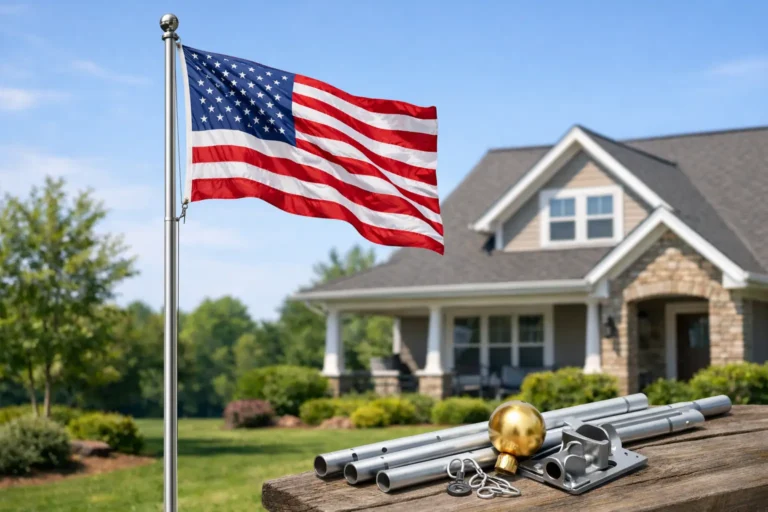
The main difference is in how the pole is built and how the flag is raised. A telescoping flagpole has nested sections that slide up and lock into place. You extend the sections upward to reach full height, and you collapse them when needed. A sectional flagpole is made of separate pole pieces that connect together during assembly to create one fixed-height pole.
That difference affects everything else, including installation, maintenance, appearance, and day-to-day use. If you want to raise and lower the pole itself without dealing with ropes or a fixed one-piece structure, telescoping is appealing. If you want a stable residential flagpole with fewer moving parts and a more set-it-and-leave-it approach, sectional may be the better fit.
When a telescoping flagpole makes more sense
Telescoping flagpoles are popular with homeowners because they are easy to operate. You can lower the pole sections to reach the flag instead of climbing a ladder or working with a halyard system. That matters if you plan to change flags often, take your flag down in bad weather, or prefer a simpler routine for holidays and special occasions.
They also appeal to buyers who want a clean look. Many telescoping designs do not use an external rope, so there is no line slapping against the pole in the wind. For residential settings, that quieter operation can be a real advantage.
Another reason people choose telescoping poles is practical access. If the pole can be lowered section by section, replacing a truck, topper, or flag clips is usually easier than working at full height. For many customers, convenience is the deciding factor.
That said, telescoping poles are not maintenance-free. They have locking collars, buttons, or internal mechanisms that need to stay clean and in good working order. In areas with blowing sand, salt exposure, ice, or frequent storms, those moving components deserve attention. A good telescoping pole can perform very well, but it is still a system with parts that do actual work.
When a sectional flagpole is the better buy
A sectional flagpole is often a strong choice for buyers who want simplicity. The sections are assembled to form a fixed pole, and once it is installed, the structure stays put. For residential use, that can be a very practical option, especially if you are not planning to lower the pole regularly.
Sectional poles are also attractive to budget-conscious buyers who still want a quality display. In many cases, they offer a lower entry cost than premium telescoping models. If your goal is to put up a durable, good-looking flagpole without paying extra for adjustable functionality, sectional deserves a serious look.
Some customers also like the straightforward design. There are fewer moving parts involved in the pole itself, which can mean fewer things to adjust over time. That does not automatically make every sectional pole tougher than every telescoping pole, but it does mean the design is simpler.
The trade-off is convenience. If you need to access the flag, topper, or upper hardware, you generally do not lower the pole the way you would with a telescoping model. That makes sectional poles a better fit for buyers who are comfortable with a more permanent setup and who do not expect frequent flag changes.
Wind, weather, and real-world performance
For many properties, the telescoping versus sectional flagpole question should really start with local weather. Wind exposure matters. An open rural property, coastal site, hilltop, or commercial lot with no surrounding protection puts very different stress on a pole than a sheltered suburban yard.
Both telescoping and sectional poles can perform well, but quality matters more than the category name alone. Wall thickness, material grade, locking design, connection points, and the right flag size all play a part. A poorly matched flagpole will disappoint you regardless of style.
If your area sees strong or frequent winds, think carefully about how often the flag will fly and whether you are willing to lower it during storms. A telescoping pole can make storm prep easier because you can collapse the pole or remove the flag with less effort. That convenience is a real benefit. On the other hand, a well-built sectional pole with proper installation can be an excellent long-term choice when matched correctly to the site.
This is where expert guidance matters. A flagpole should not be chosen on appearance alone. Height, location, wind exposure, and flag size all need to work together.
Installation differences you should know
For a homeowner doing a residential install, telescoping poles are often seen as user-friendly after setup because operation is simple. Sectional poles are often straightforward in assembly because you connect the pieces and create the full pole length. Neither style is difficult in every case, but each has its own process.
A telescoping pole requires attention to how the sections extend, lock, and align. A sectional pole requires proper assembly of the connected sections so the final structure is secure and straight. In both cases, the foundation and ground sleeve matter as much as the pole itself. A great pole installed poorly will not perform the way it should.
For property managers, schools, or municipalities, the decision may also come down to who will be operating the pole after installation. If staff members need an easier way to manage the display, a telescoping design may be worth the added investment. If the flag setup is more permanent and changes are limited, sectional can make sense.
Appearance, noise, and everyday use
A flagpole is not just equipment. It is also a visual statement. That is why appearance matters.
Telescoping poles tend to appeal to buyers who want a cleaner residential profile, especially without an exposed rope. They are often chosen for front yards, memorial displays, and properties where ease of use and neat presentation go together. Sectional poles can also look excellent, but the appeal is usually in their straightforward, traditional setup rather than adjustability.
Noise can be another deciding factor. Buyers who are tired of hearing halyard slap against a pole often prefer telescoping options. That may not matter on a commercial lot or large campus, but it matters a great deal near bedrooms, patios, or office windows.
Cost versus long-term value
The lower price is not always the better value, and the higher price is not always necessary. That is especially true in a telescoping versus sectional flagpole comparison.
If you will fly the flag often, change it seasonally, lower it in storms, and want easy access for maintenance, paying more for telescoping convenience can be money well spent. If your goal is a dependable flag display at a lower cost and you do not need the pole to collapse or extend regularly, sectional may give you exactly what you need without paying for features you will not use.
Think about value over time, not just the purchase price. A flagpole that matches your habits is the one you are most likely to be happy with five years from now.
Which buyers usually choose each type
Homeowners often lean toward telescoping because it is easy to use and easy to live with. Buyers replacing an old residential pole frequently appreciate the simpler flag access and cleaner look.
Sectional poles often appeal to practical buyers who want a quality pole at a solid price and do not need regular height adjustment. They can be an especially sensible fit for residential installations where the display will stay fairly consistent.
For businesses, schools, and government properties, the answer depends more on operating needs and site conditions than on category alone. If daily or frequent handling is part of the plan, telescoping can be very convenient. If permanence and straightforward construction matter most, sectional may be the better route.
At Bob's Flagpole Company LLC, this is exactly the kind of decision we help customers make every day. A quick conversation about your property, wind exposure, and goals can save you from buying the wrong pole the first time.
The best flagpole is not the one with the most features. It is the one that fits your site, your budget, and the way you plan to honor the flag. If you are still deciding, start with how often you want hands-on access and how much weather your pole will face, and the right choice usually becomes clear.