How to Anchor Flagpole the Right Way
A flagpole that leans after the first hard wind usually has the same problem - the anchor system was treated like an afterthought. That is why learning how to anchor flagpole installations correctly matters just as much as choosing the pole itself. The anchor is what keeps the pole plumb, stable, and ready for years of service, whether it stands at a home, storefront, school, or municipal property.
Anchoring a flagpole is not one-size-fits-all. A 20-foot residential telescoping pole does not call for the same foundation approach as a commercial fiberglass pole or a high-wind installation in open terrain. Soil conditions, pole height, wind exposure, and the type of flag you plan to fly all affect the right method. If you get those factors right at the start, the pole performs better and the installation stays safer.
How to anchor flagpole installations starts with the pole type
The first question is not how much concrete to pour. It is what kind of flagpole you are anchoring.
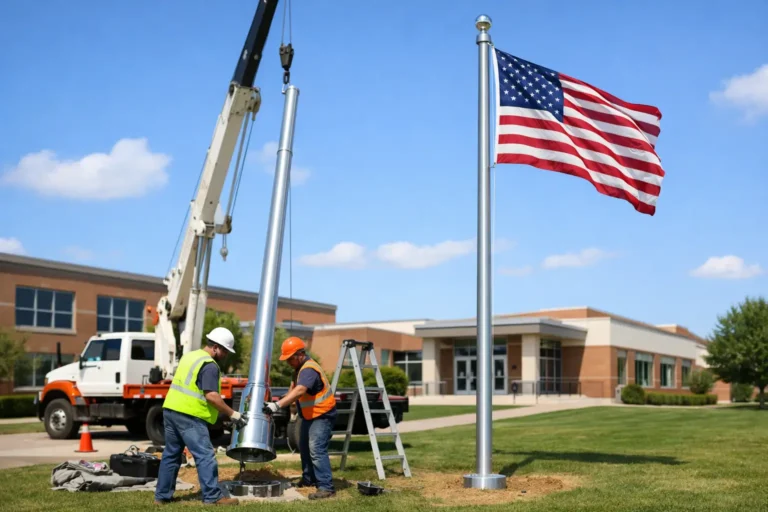
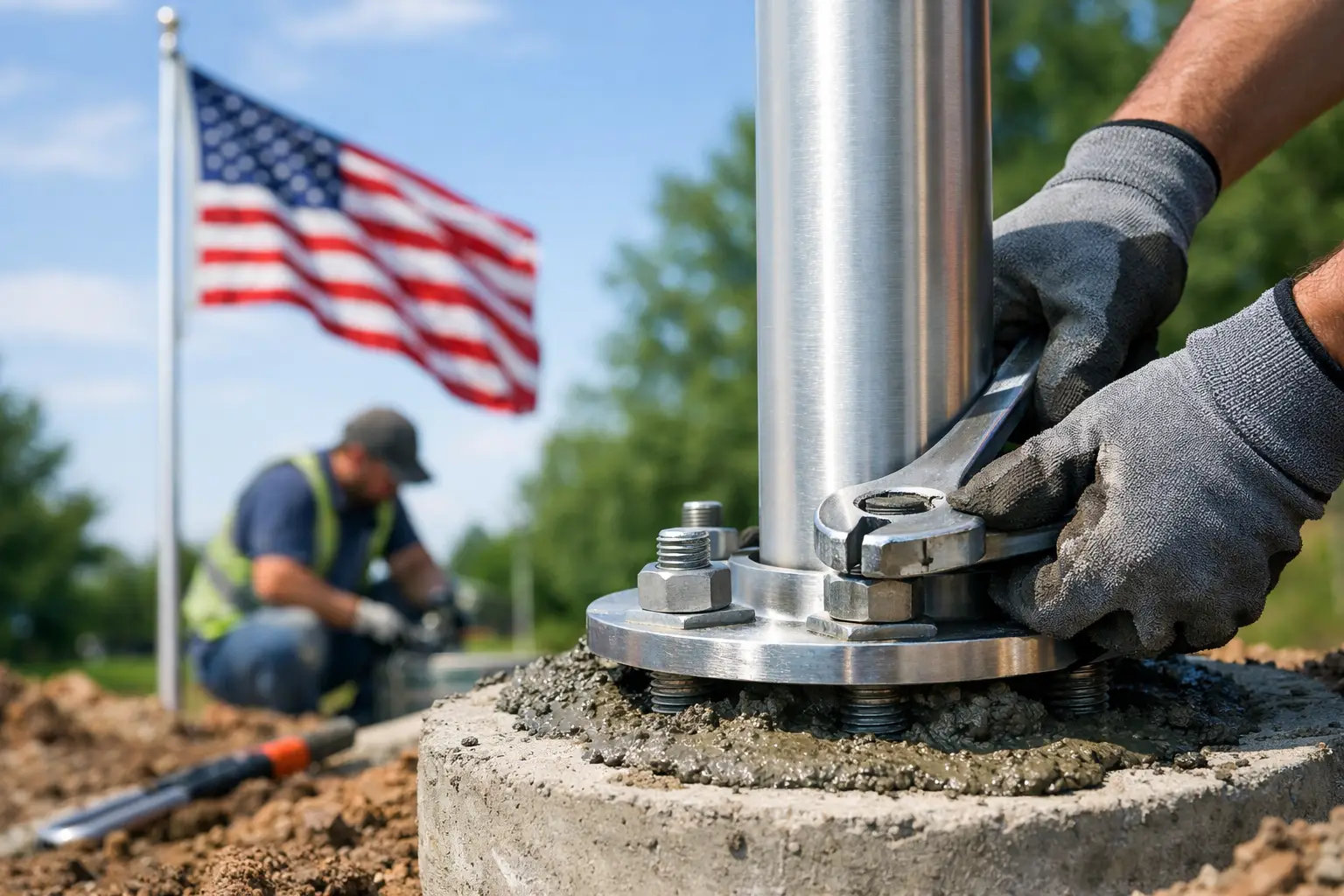
For in-ground commercial and residential poles, the anchor system usually involves a foundation hole, a ground sleeve or anchor base, compacted backfill around the lower area where required, and concrete placed to hold the sleeve in position. That sleeve creates the receiving point for the flagpole and helps keep the installation aligned.
Telescoping residential flagpoles often use a smaller ground sleeve or PVC-style sleeve set in concrete. These systems are generally simpler to install, but they still need careful leveling and proper depth. A telescoping pole that is easy to raise and lower can still fail if the sleeve shifts underground.
Wall-mounted poles are a different category altogether. Those are anchored to the structure, not the ground, and require hardware suited to masonry, wood framing, or steel. If your project involves a true freestanding pole, focus on the foundation system recommended for that specific model.
This is where specialist guidance matters. Premium poles are engineered with foundation specs for a reason. Guessing at depth or diameter can leave you with a pole that moves, binds, or wears prematurely.
The site matters more than many buyers expect
Before you dig, take a hard look at the location. Open fields, hilltops, coastal areas, and corners of large parking lots usually see stronger wind loads than sheltered backyards. Clay, sandy soil, rocky ground, and areas with poor drainage also behave differently once a foundation is in place.
A good-looking spot is not always a good installation spot. If the ground stays saturated, if runoff collects near the base, or if the pole is too close to drive lanes, trees, or rooflines, you can create future problems. In colder climates, frost depth matters too. A foundation that is too shallow may shift as the ground freezes and thaws.
You also need to check local utility markings before digging. That is basic jobsite safety, but it is easy to overlook when the project seems straightforward. Even a residential pole installation deserves the same care as any other ground-mounted structure.
Foundation basics for anchoring a flagpole
Most freestanding flagpoles rely on a foundation hole sized to the pole and site conditions. The manufacturer will usually specify the diameter and depth. Those numbers are not suggestions. They are based on engineering, expected wind load, and the weight and flex of the pole.
In a typical setup, the hole is excavated, the bottom is prepared, and the ground sleeve or anchor assembly is set in place. The sleeve must be perfectly plumb. Once concrete is poured and cured, correcting a crooked sleeve is not simple. Take your time here.
Drainage is another detail that deserves attention. Many in-ground sleeve systems require a gravel base or drainage provision below the sleeve so moisture can move away rather than collect inside. If water sits in the bottom and freezes, it can create trouble over time. A strong installation is not just about holding power. It is also about managing the environment around the base.
Concrete should be mixed and placed according to the pole maker's instructions. Rushing with undersized footings or weak mix is false economy. The cost of reinstalling a failed flagpole is far higher than doing the foundation correctly the first time.
Keeping the sleeve plumb and centered
This is the part that separates a clean installation from a frustrating one. The sleeve has to stay plumb while the concrete sets. Installers often brace it temporarily and verify alignment from more than one angle. A level checked in one direction only can fool you.
If the sleeve drifts even slightly, the pole may lean or fit poorly. On some systems, that can also affect hardware operation. A halyard that does not run smoothly or a pole that rubs where it should not often points back to the base alignment.
Let the concrete cure fully
A common mistake is setting the pole too soon. Concrete needs time to gain strength. The exact cure time depends on weather and mix, but patience matters. Installing early can shift the sleeve or weaken the finished foundation before it has done its job.
For heavier commercial poles, this step is even more important. The larger the investment, the less sense it makes to rush the final phase.
How to anchor flagpole systems in high-wind areas
If your property gets steady wind, storms, or coastal weather, anchoring needs extra attention. This does not always mean an extremely large pole foundation, but it often means a more carefully matched system. Pole material, wall thickness, taper, and flag size all influence what the foundation must resist.
One of the biggest mistakes in windy areas is flying too large a flag for the pole and location. Even a properly anchored pole can be overstressed by the wrong flag size. The foundation and the pole work as one system. If one part is out of balance, performance suffers.
High-wind sites may require heavier-duty poles, deeper or wider foundations, and stricter attention to manufacturer specs. This is especially true for businesses, schools, and government properties where uptime, appearance, and public safety matter. In those cases, working with a true flagpole specialist is simply the safer move.
Common anchoring mistakes to avoid
Most flagpole problems begin underground, where the mistake is hidden until the pole starts to move or lean. The first issue is using a generic footing size instead of the specified one. The second is poor drainage. The third is setting the sleeve out of plumb.
Another frequent problem is ignoring the actual use of the pole. A homeowner flying a light nylon flag on calm suburban property has different demands than a business flying a larger flag in an open commercial lot. The installation should match real conditions, not best-case conditions.
There is also the temptation to improvise with available materials. That may seem practical on installation day, but it can create fit problems, corrosion issues, or poor long-term support. Flagpoles are specialty products, and their anchor systems should be treated the same way.
When DIY makes sense and when it does not
Some residential installations are very manageable for a capable property owner, especially with telescoping poles and clearly defined sleeve systems. If the site is accessible, the soil is workable, and the pole is within the intended residential range, a careful DIY job can turn out well.
But there is a point where professional installation becomes the wiser choice. Taller poles, commercial sites, difficult soil, severe wind exposure, and projects with appearance standards all raise the stakes. If the pole is a centerpiece for a business, school, veterans' memorial, or civic property, getting expert input upfront can save time and money.
At Bob's Flagpole Company LLC, this is exactly the kind of question customers call about every day. The right answer depends on the site, the pole, and what you need the installation to handle over the long run.
Final checks after the pole is installed
Once the pole is set, step back and inspect more than just whether it looks straight. Make sure hardware operates smoothly, the pole seats correctly in the sleeve or base, and the surrounding grade sheds water away from the foundation area. Small details at this stage help prevent bigger maintenance issues later.
If you are replacing an older pole, do not assume the existing foundation is suitable for the new one. Different poles have different engineering requirements. Reusing a foundation can work in some cases, but only if it truly matches the new system.
A well-anchored flagpole does more than stand upright. It shows respect for the flag, protects your investment, and gives your property the kind of finished look that lasts through weather, seasons, and years of use. When the base is done right, everything above it works the way it should.